









Washington DC Viewers
Explore Washington, D.C. nature in close-up
Washington, D.C. is an urban watershed with surprising ecological variety: the Potomac and Anacostia rivers, Rock Creek’s forested valley, tidal wetlands, meadow plantings, street trees, gardens, and small neighborhood parks all support close observation.
From neighborhoods along Rock Creek, the Potomac, the Anacostia, and the city’s park network, viewers can use this guide to compare local habitats, seasons, and field marks with original WhatsTheZoom videos. A useful identification starts with where and when an observation was made—not simply what color it appeared on camera.
Habitats and wildlife clues to watch
- Watch river and wetland margins from trails, boardwalks, and overlooks.
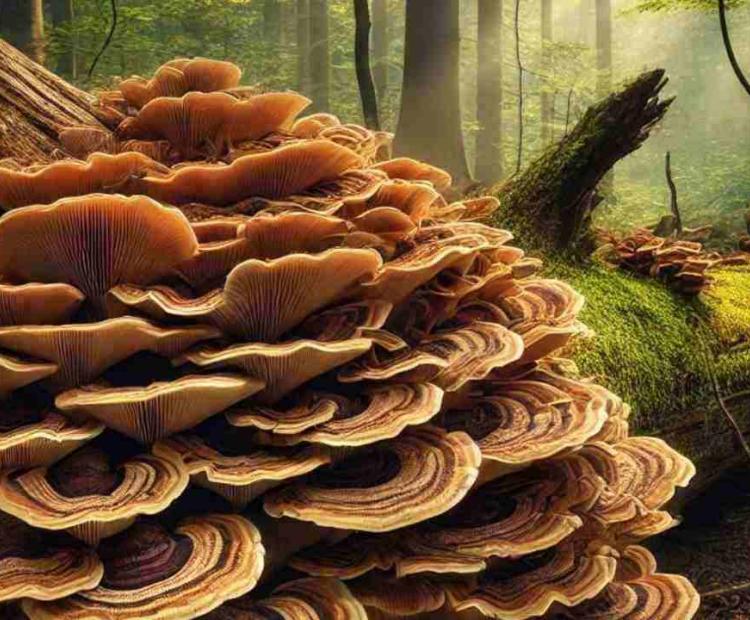
- Explore Rock Creek forest for fungi, flowers, spiders, and seasonal seeds.
- Study pollinators in gardens and meadow plantings without disturbing them.
- Use neighborhood parks to notice migration, tree change, and urban wildlife.
When to look closely in Washington, D.C.
Spring flowers and migration are highly visible in the city’s parks. Summer favors insects, pond life, and shaded forest, while autumn brings migration, seeds, fungi, and foliage. Winter reveals nests, bark, tracks, river ice, and evergreen structure.
Start with these close-up nature videos
Watch a clip, pause on the clearest field marks, and compare the subject with the habitat guidance above:
- Green Hummingbird at a Feeder: ID Clues
- Scary Orange Spider Identification Clues
- Why Was This Bee Hanging Upside Down?
For a stronger identification, record the date, broad location, habitat, approximate size, behavior, and several viewing angles. Avoid handling unknown fungi, plants, insects, or wildlife, and follow current local access and safety guidance.
Location transparency: WhatsTheZoom creates and owns the videos shown across this network, but not every featured clip was recorded in Washington, D.C.. This regional page explains what viewers in Washington, D.C. can look for and how geographic context changes an identification; it does not relabel footage from another location.
Subscribe to WhatsTheZoom on YouTube for new close-up nature videos.