
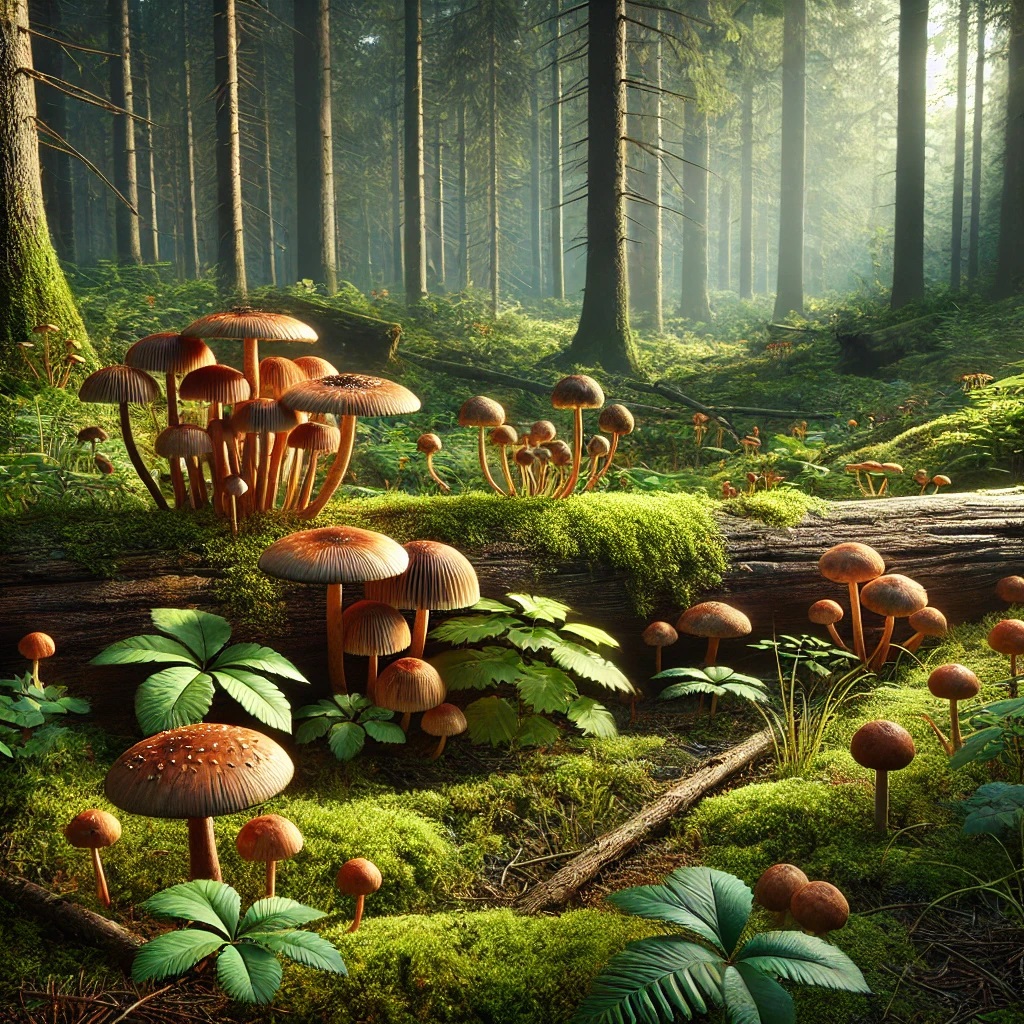

Photorealistic nature scene of mushrooms growing in a tranquil forest setting
Icon representing YouTube Shorts with a mobile phone and play button, symbolizing quick, vertical video clips designed for short-form content.

Youtube Short Videos

Need a quick escape into nature? Our YouTube Shorts bring you vibrant, powerful moments of wildlife and landscapes in under 60 seconds! Whether it’s a close-up of a bee pollinating a flower or a fast-paced waterfall crashing into a pool, these short videos deliver bite-sized adventures that are perfect for your on-the-go nature fix. 

Why People Like Our Youtube Shorts

People are drawn to our YouTube Shorts for several reasons, starting with the appeal of bite-sized content that fits perfectly into their busy schedules. The quick and captivating format allows viewers to experience visually stunning nature scenes in under a minute, keeping them engaged without requiring a big time commitment. The high-quality, rich visuals of nature shots provide viewers with a mesmerizing escape, often showcasing moments they don't get to see in their everyday lives. This sense of discovery and the unexpected nature of what each short offers—whether it's a close-up of a butterfly or an awe-inspiring landscape—creates a sense of curiosity that keeps them watching. 

Join Our Community!

Click to watch now, and don’t forget to like the video and subscribe for more awe-inspiring nature journeys!

Add new comment

Restricted HTML

  • You can align images (data-align="center"), but also videos, blockquotes, and so on.
  • You can caption images (data-caption="Text"), but also videos, blockquotes, and so on.

Washington DC Viewers

Explore Washington, D.C. nature in close-up

Washington, D.C. is an urban watershed with surprising ecological variety: the Potomac and Anacostia rivers, Rock Creek’s forested valley, tidal wetlands, meadow plantings, street trees, gardens, and small neighborhood parks all support close observation.

From neighborhoods along Rock Creek, the Potomac, the Anacostia, and the city’s park network, viewers can use this guide to compare local habitats, seasons, and field marks with original WhatsTheZoom videos. A useful identification starts with where and when an observation was made—not simply what color it appeared on camera.

Habitats and wildlife clues to watch

  • Watch river and wetland margins from trails, boardwalks, and overlooks.
  • Explore Rock Creek forest for fungi, flowers, spiders, and seasonal seeds.
  • Study pollinators in gardens and meadow plantings without disturbing them.
  • Use neighborhood parks to notice migration, tree change, and urban wildlife.

When to look closely in Washington, D.C.

Spring flowers and migration are highly visible in the city’s parks. Summer favors insects, pond life, and shaded forest, while autumn brings migration, seeds, fungi, and foliage. Winter reveals nests, bark, tracks, river ice, and evergreen structure.

Start with these close-up nature videos

Watch a clip, pause on the clearest field marks, and compare the subject with the habitat guidance above:

For a stronger identification, record the date, broad location, habitat, approximate size, behavior, and several viewing angles. Avoid handling unknown fungi, plants, insects, or wildlife, and follow current local access and safety guidance.

Location transparency: WhatsTheZoom creates and owns the videos shown across this network, but not every featured clip was recorded in Washington, D.C.. This regional page explains what viewers in Washington, D.C. can look for and how geographic context changes an identification; it does not relabel footage from another location.

Subscribe to WhatsTheZoom on YouTube for new close-up nature videos.

Featured Posts